A Note From Rebecca: On Strength of Design
Tuesday, March 10th
I still remember a product review meeting I sat in when I worked at Anthropologie, right out of college. Everyone was talking about how mass market brands take one pattern and stick it on everything. The idea that a pattern could easily become overused stuck with me. Was a pattern less special if it appeared everywhere? Did it require a different treatment to be used on a different surface or object, or for a different purpose? Which patterns worked for a standalone design versus an assortment?
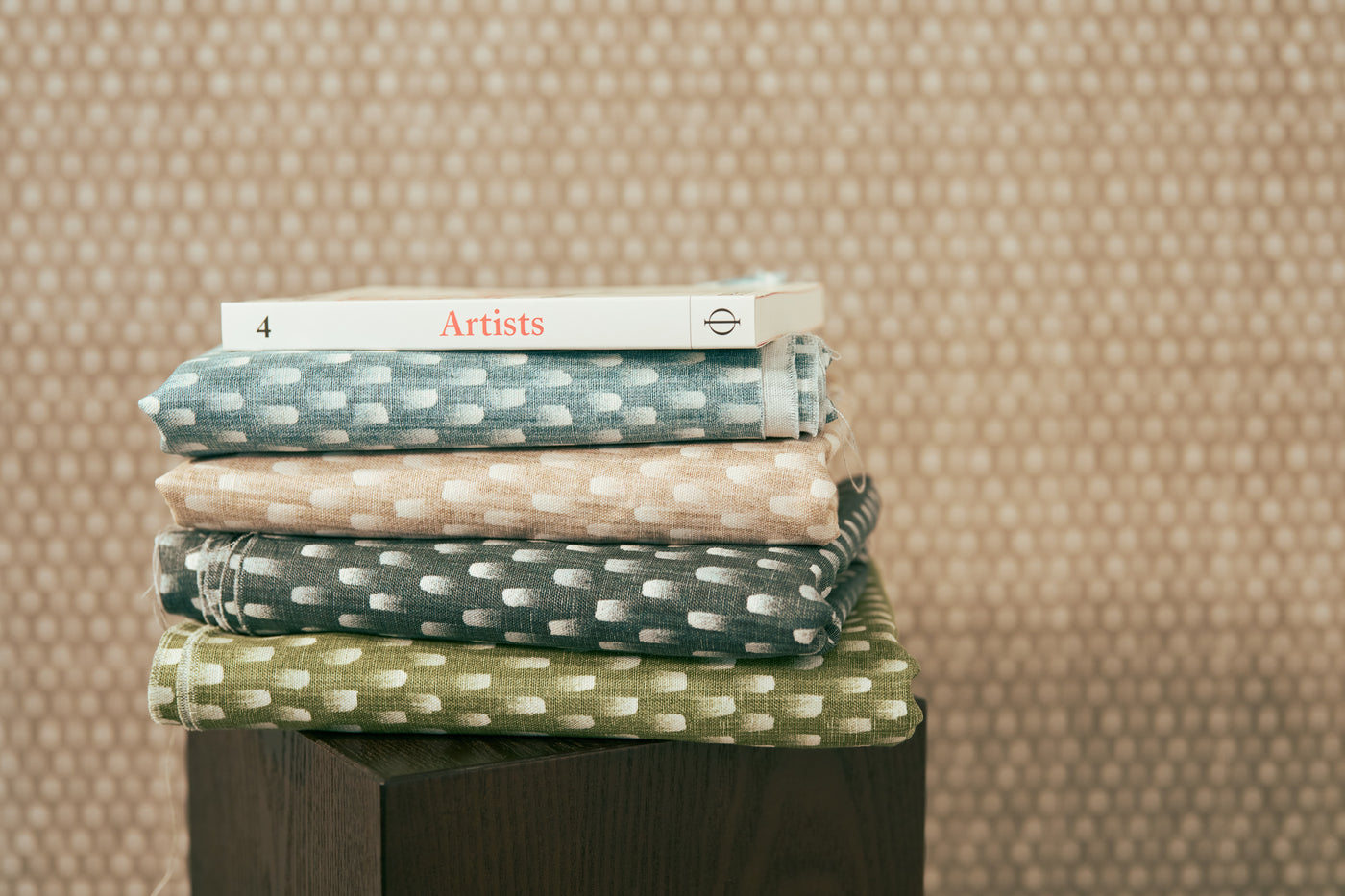
In the beginning, with my line, that idea made me think I needed different patterns for different things. I even went so far as to offer certain fabrics only as pillows when we launched fabric by the yard. After a year, I decided to introduce those pillow fabrics by the yard too. When I did that, it was with the realization that the fabrics (Hills, Mixed Stripe, Brushstroke) were strong; it didn’t make sense to limit them to pillows. We were printing yardage and should be offering them that way, to open up design possibilities. For example, Mixed Stripe makes a great curtain, as does Hills.
It makes sense for a company like Anthropologie to be wary of overusing a pattern, but I find that my inclination to return to a pattern again and again speaks to the strength of the design. When a pattern is strong, it resonates with me—I’m not always exactly sure why—and I find that it has the potential to resonate with you. It just feels natural for me to continue to explore it and evolve it.
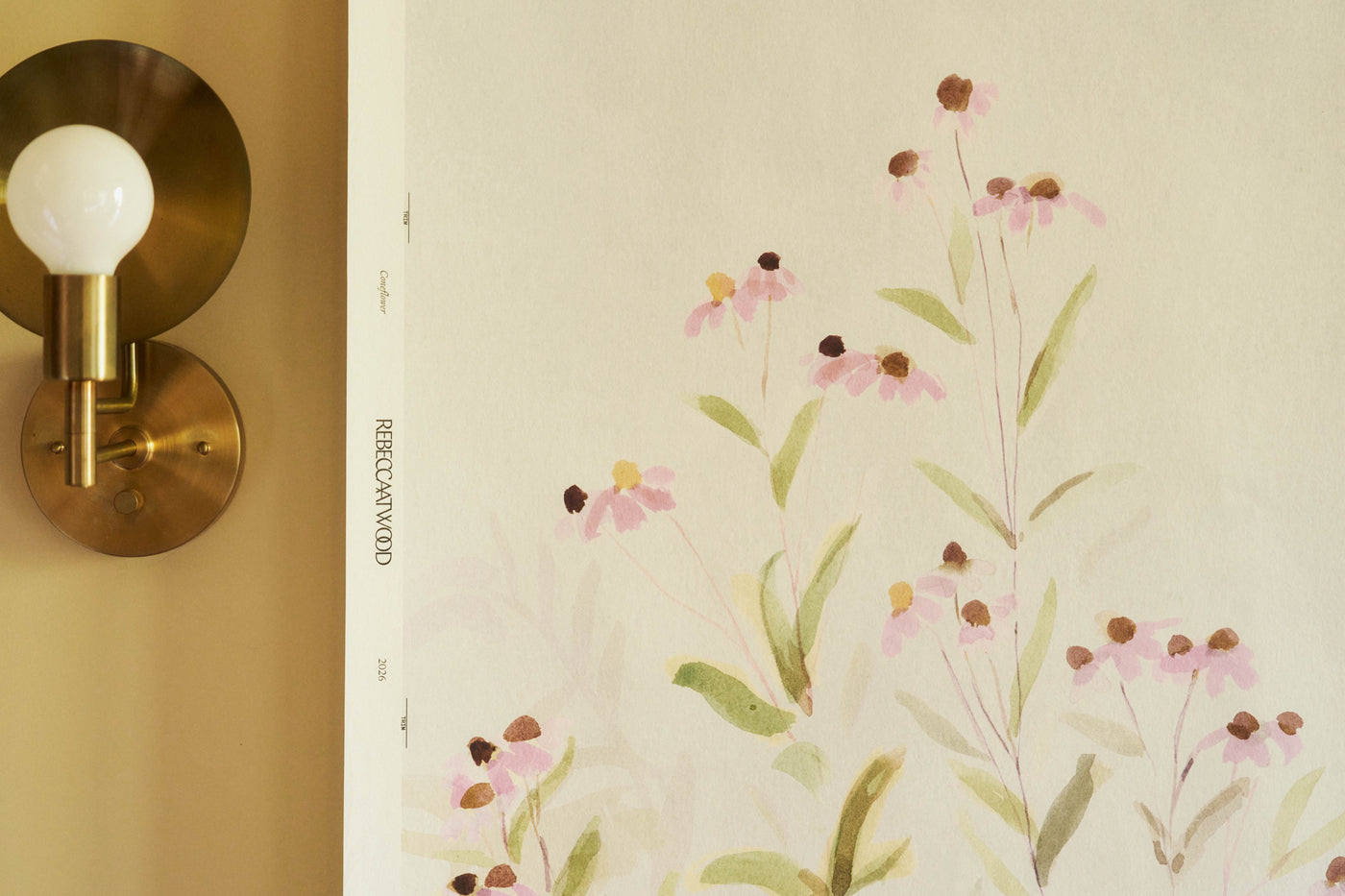
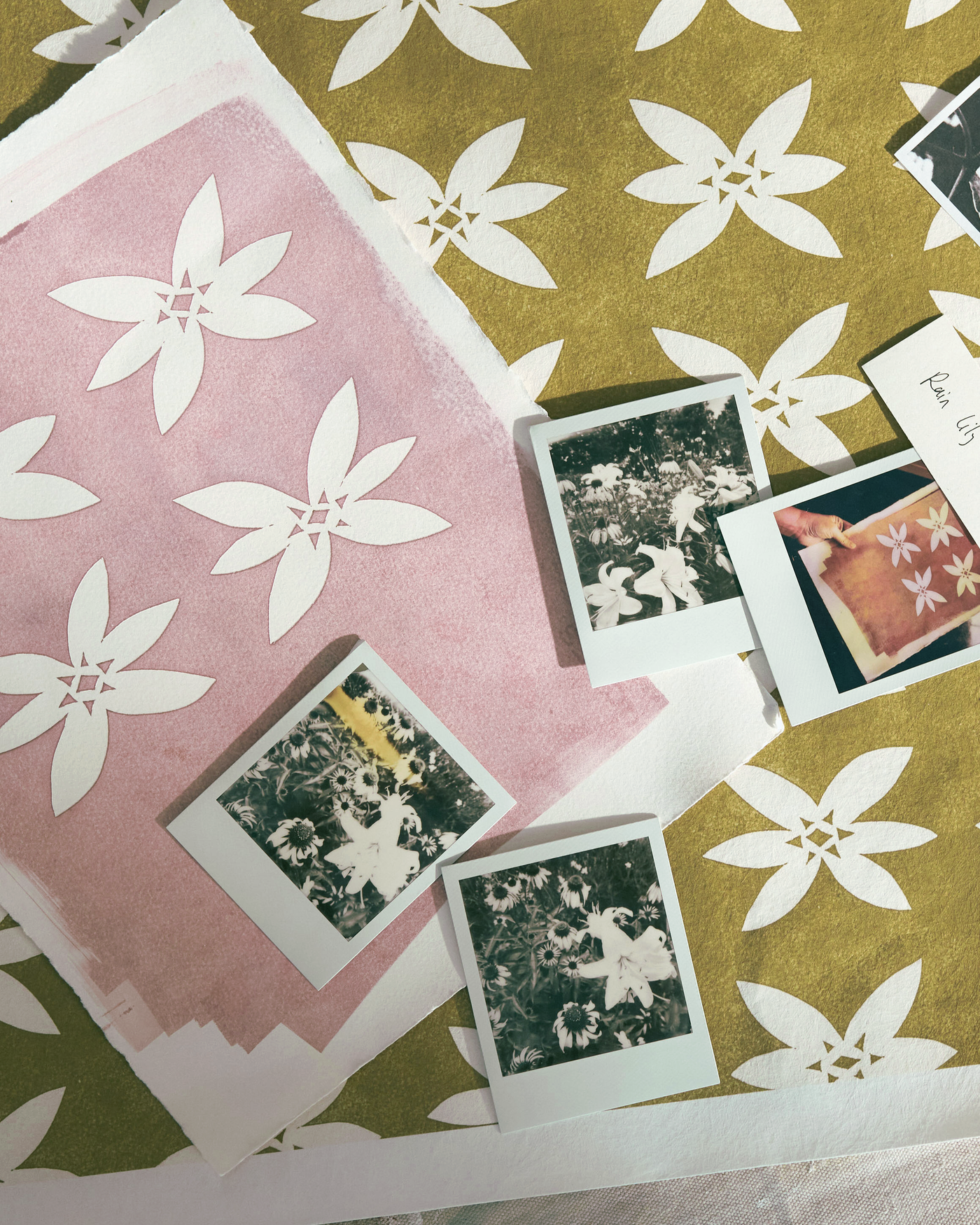
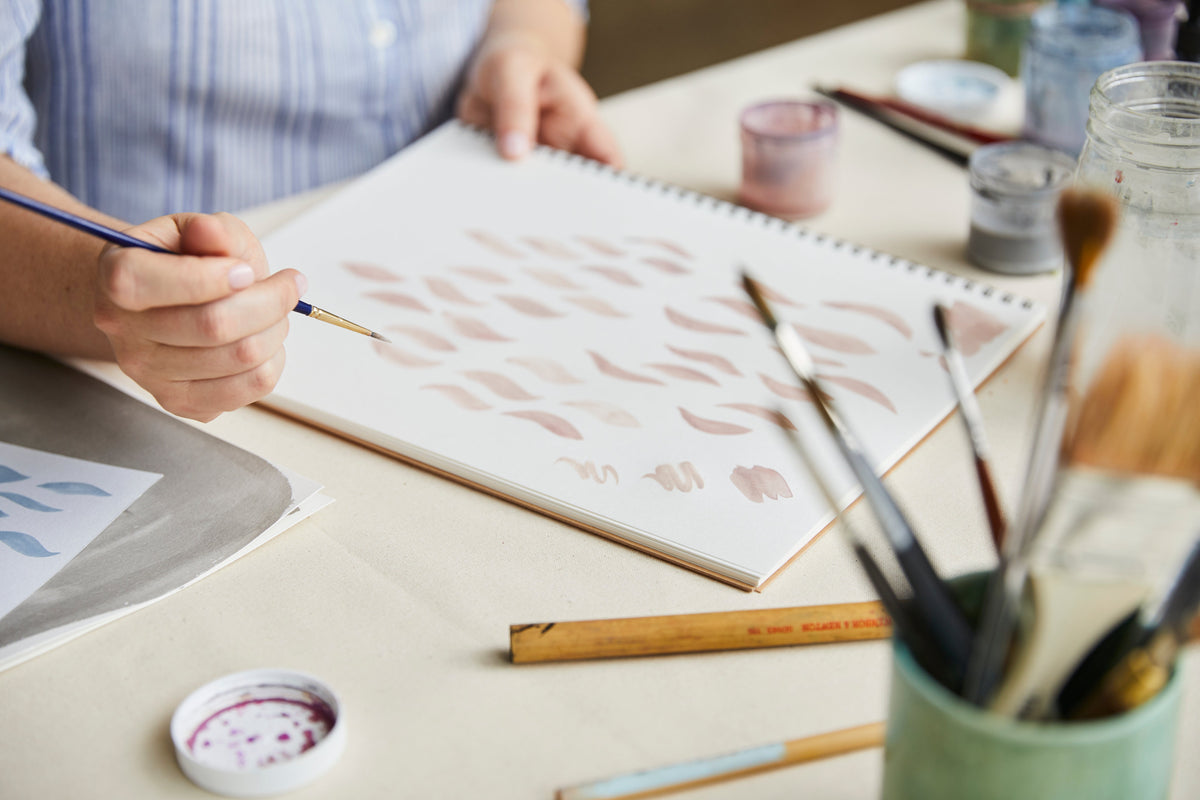
I want what we offer in our collection to reflect my creative process, which is all about iteration, repetition, and finding ease. I experiment a lot when creating a new pattern. I often paint the same pattern many times to find ease with how the shape is drawn. I enjoy seeing how painting the same thing on different days yields different results. It might be because of the paper I’m drawing on, the consistency of the ink or paint, or the brush I pick up. Even the same size brush with different bristles can create a different look. I’ll paint something in new colors and see how that feels. I let it hang out around the studio for a while and see if I still like it. Sometimes I close the sketchbook and don’t revisit it for years. This experimentation and reflection on a motif, a pattern, and an idea is what ultimately turns into the artwork for a design in the collection. I do sometimes still offer a design only in fabric or wallpaper to start, but that doesn’t mean it’s the end of the conversation with that one design.
I remember a fellow painter at RISD saying the soft pencils she was using would be the perfect medium for drawing pears. She was exploring how different subjects call for different mediums, and how the medium can change the feeling. That has stuck with me too.
I’m always thinking about the feeling a design has, and I also think about end use.
What would you change if you were using it this way?
What’s unique about this technique?
What colors do I love now? How would it look if I changed the value of the colors significantly?
What would a designer need in this specific room?
When I look at what I’ve created—our core collection—I have such fondness for some of the patterns I’ve made. They have a sincerity and strength that I keep going back to. I think about how I could change the scale, color, or ground material to create a different look.
Petals is one of those patterns. It launched in 2015, and more than 10 years later, it’s still one of my favorites. My daughter has curtains in her bedroom made of Petals printed at a smaller scale, in one of the first colorways I released, Taupe-Rose. I developed the newest, softest color, Shell, to wallpaper my own bedroom in 2023.
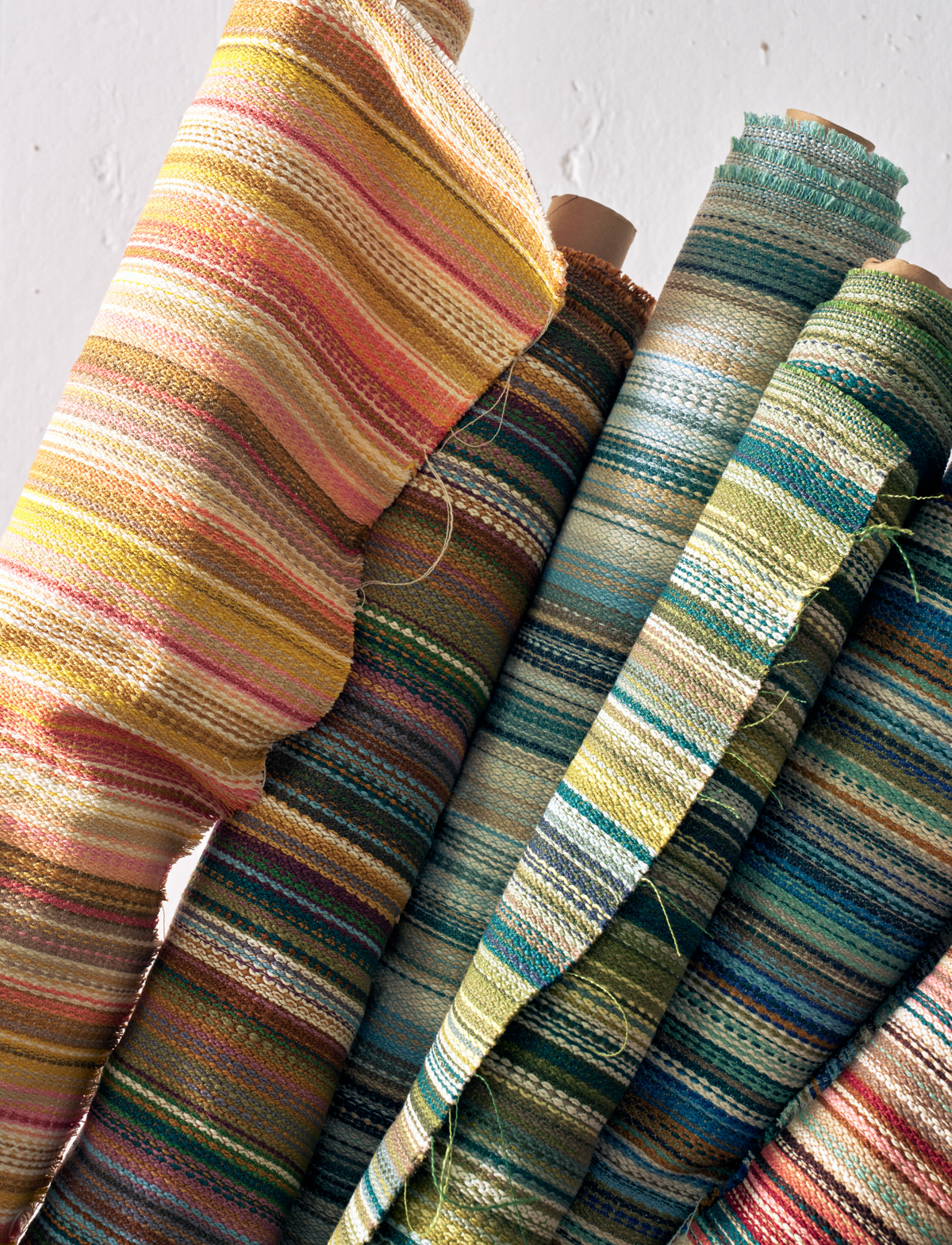
Now we’re introducing Petals as a woven performance fabric. It’s available in eight hues, from soft Ivory to cozy Rose/Purple and Ochre and rich, dark Brown-Black. I’m looking forward to seeing one of my favorite curtain patterns translated into upholstery. We’re also introducing new colors in our European linen and new wallpapers with a smaller-scale version of the pattern. On top of all this, we have a stunning embroidered version coming soon.
If you’re a reader of these letters, you know that I enjoy reflecting on the creative process, my inner world, and what I’m making. I’d encourage you to consider how repetition, iteration, and experimentation can impact your work in new and meaningful ways. What colors and shapes do you return to time and again? How could a favorite pattern feel completely new through end use, color, and different pairings? Are there furniture silhouettes or floor plans that you find comfort in and could revisit? Each time you return to an idea, you can build strength in the design and evolve it in a new way.
Thank you,
Rebecca