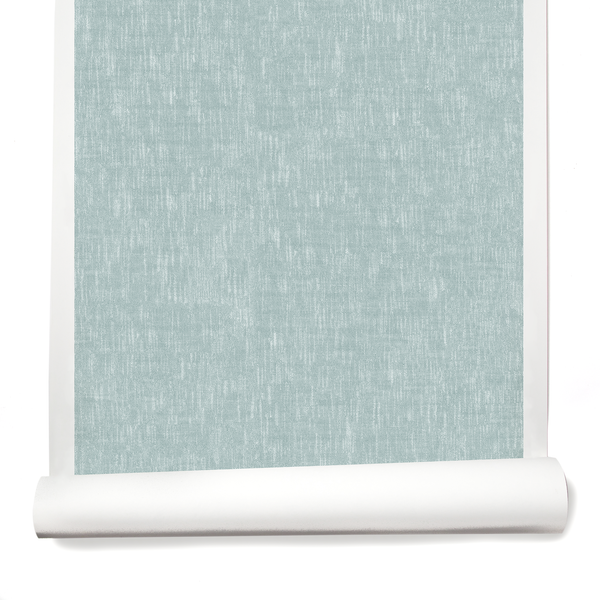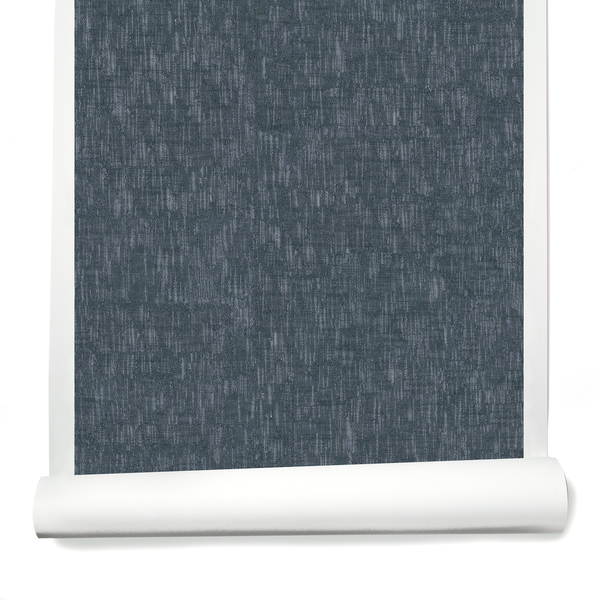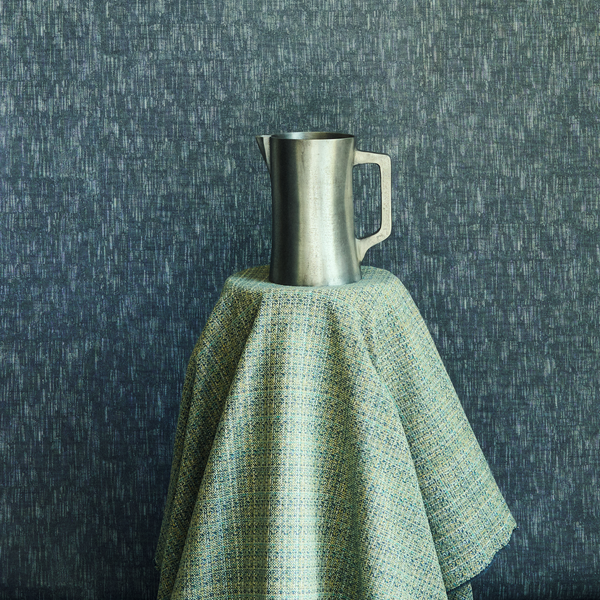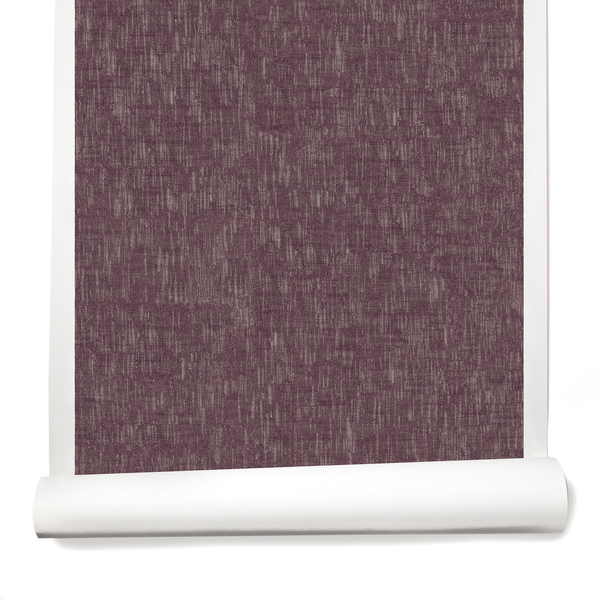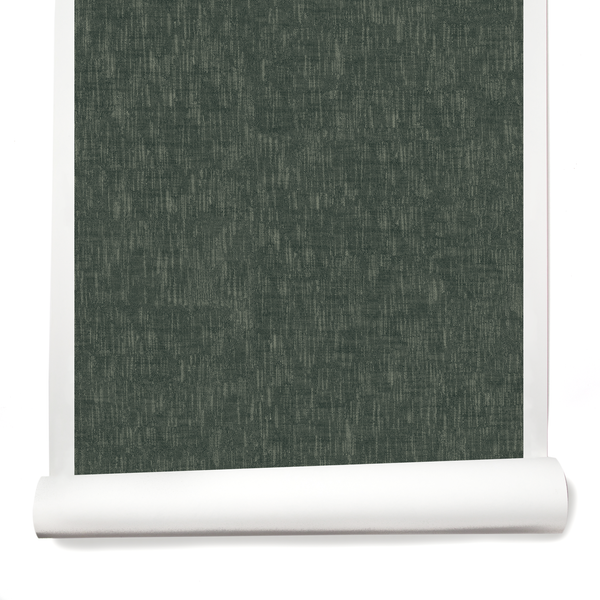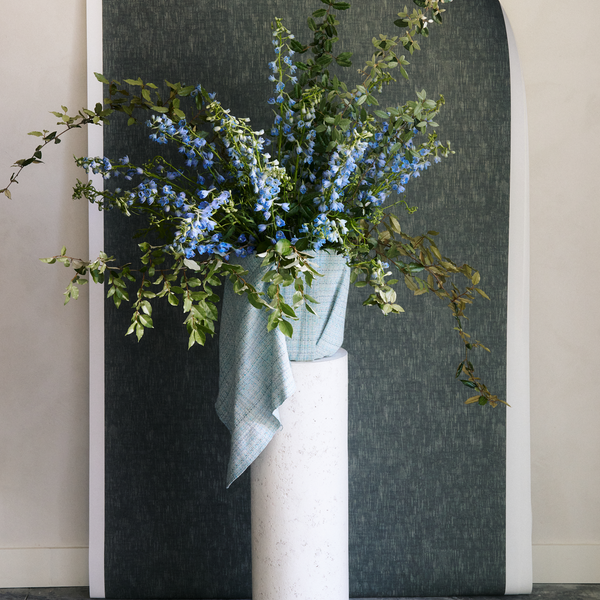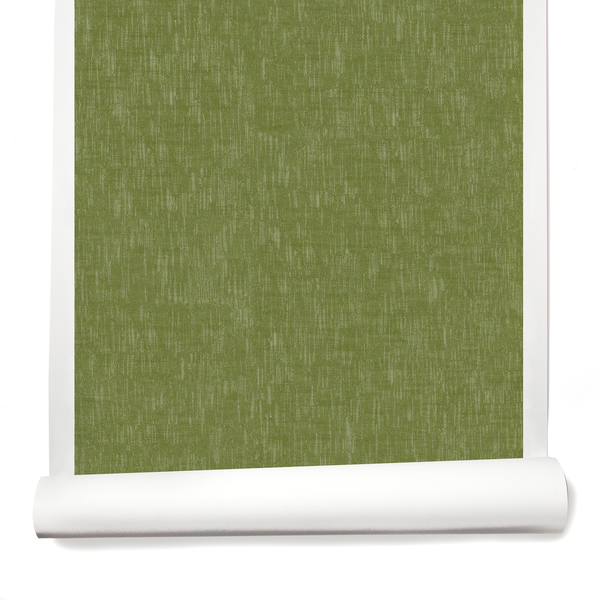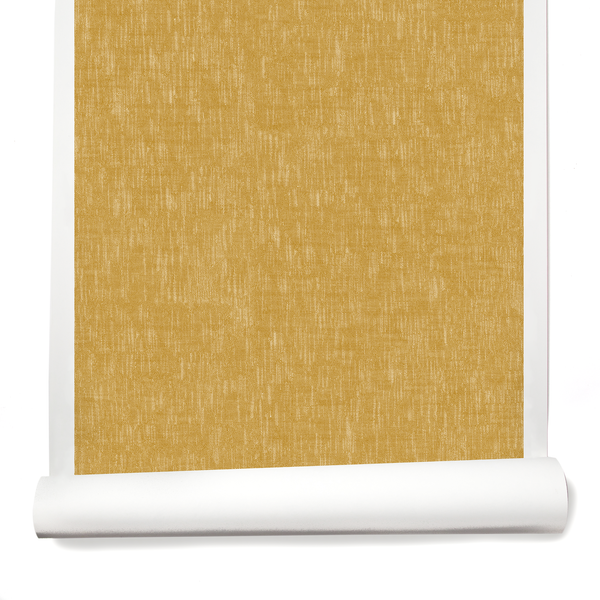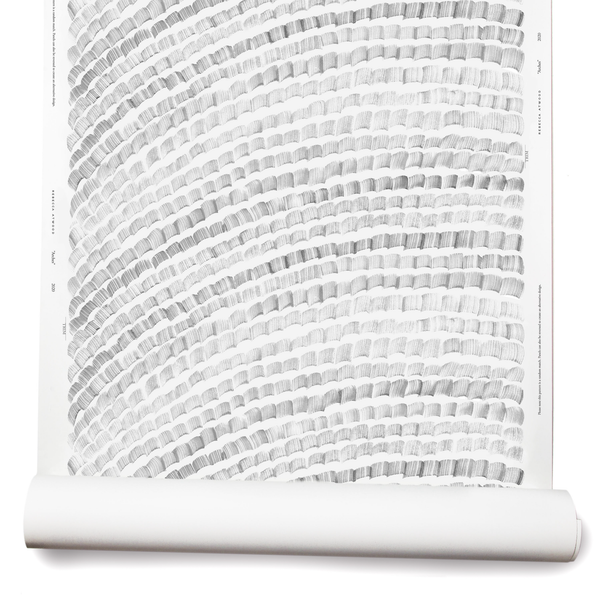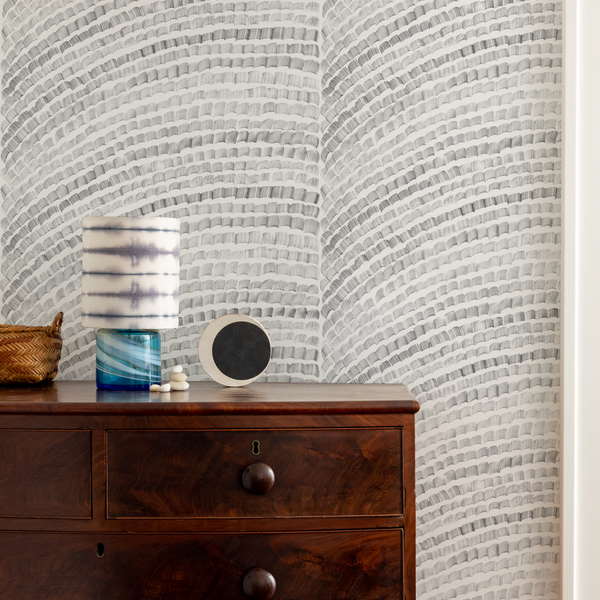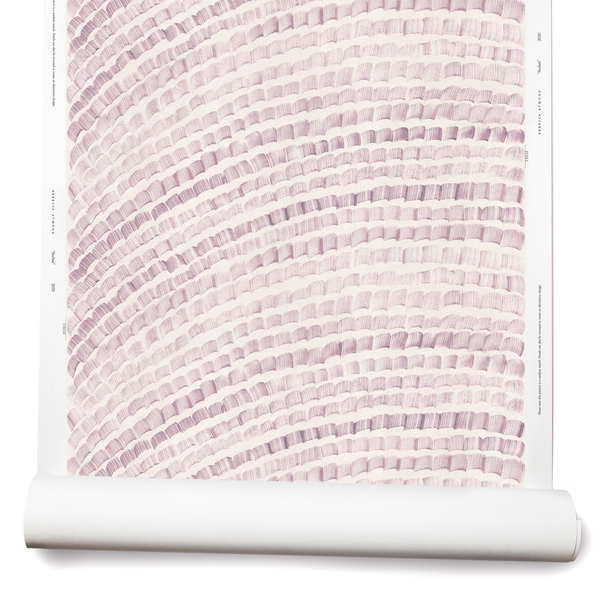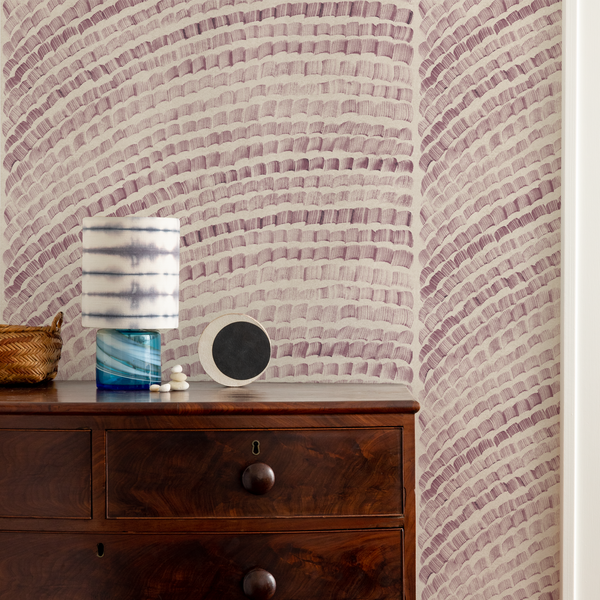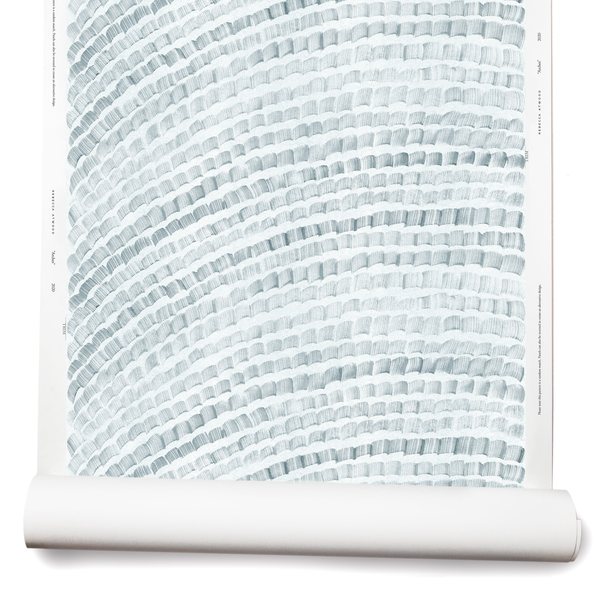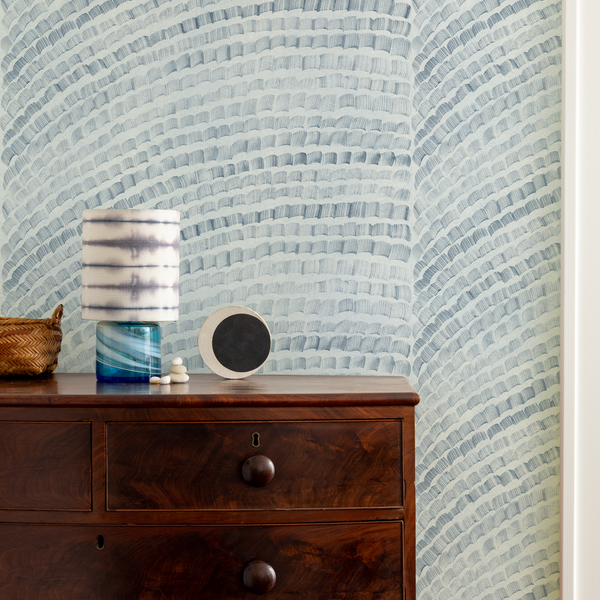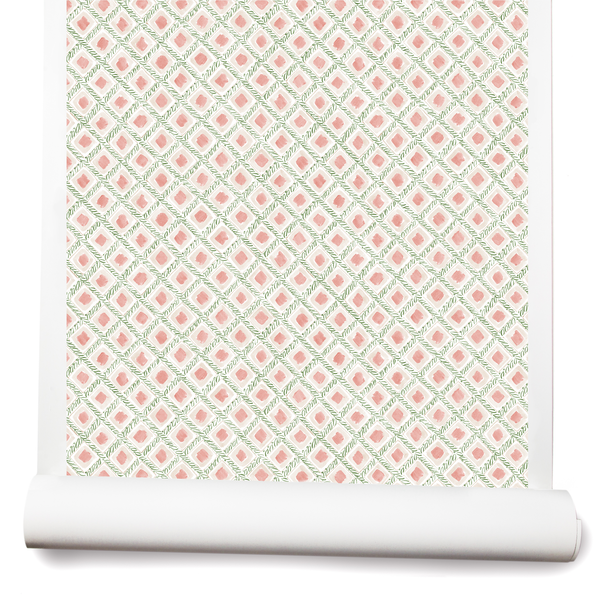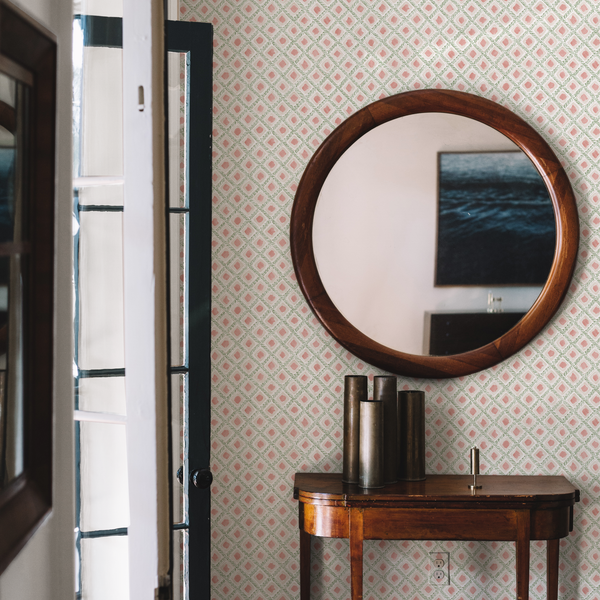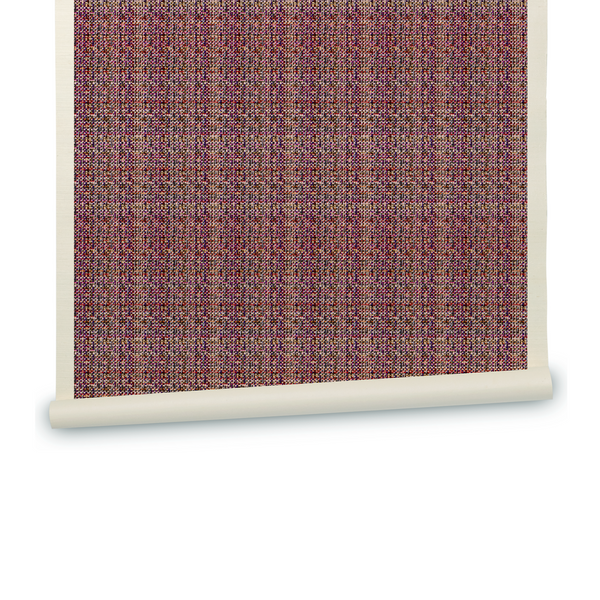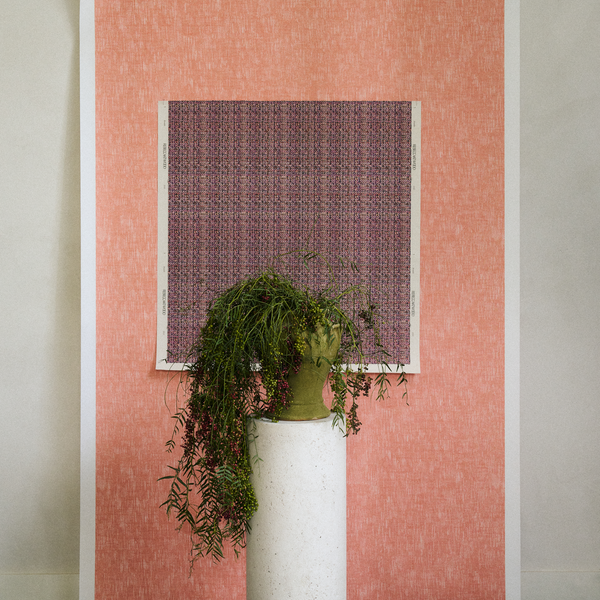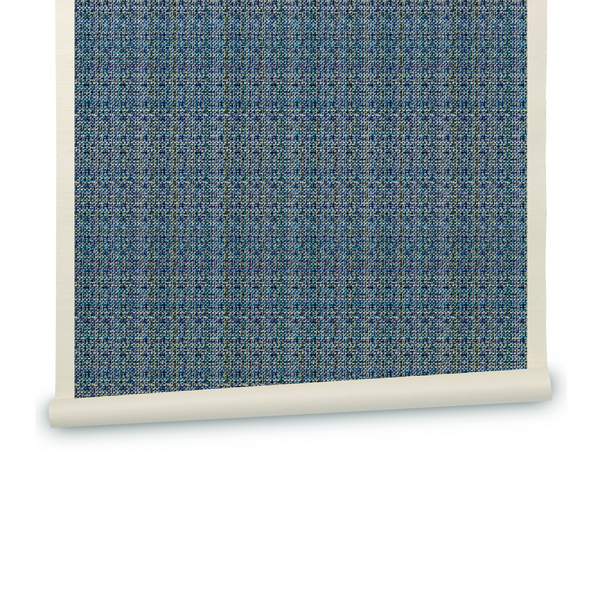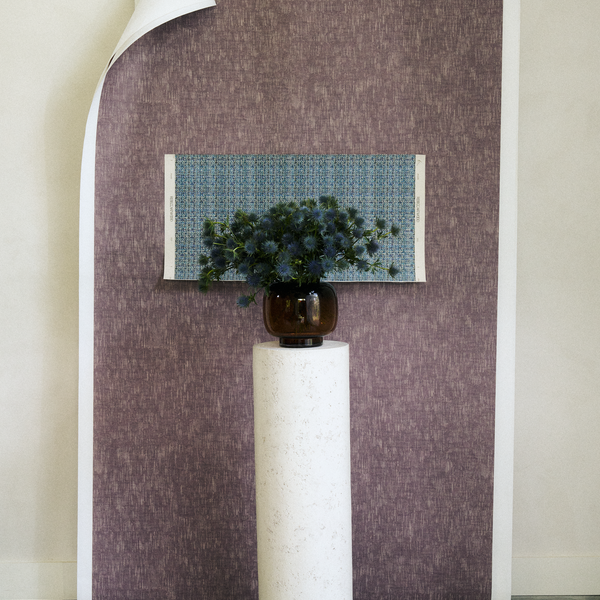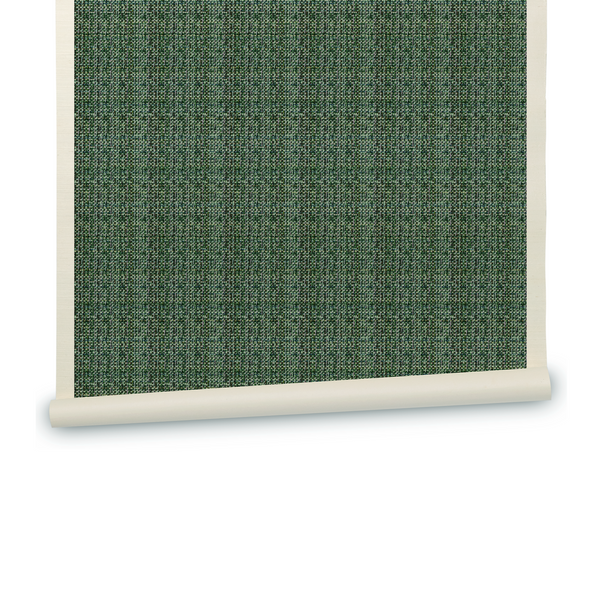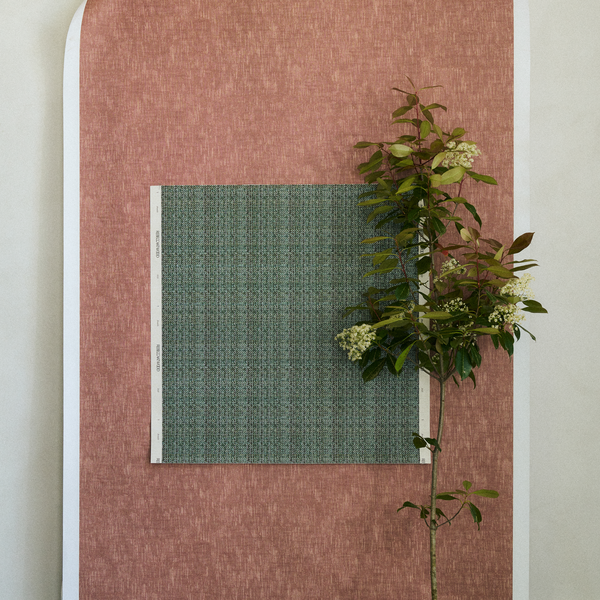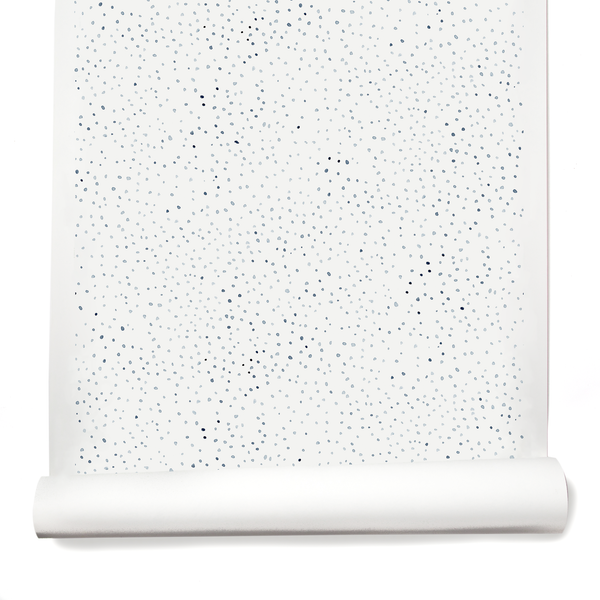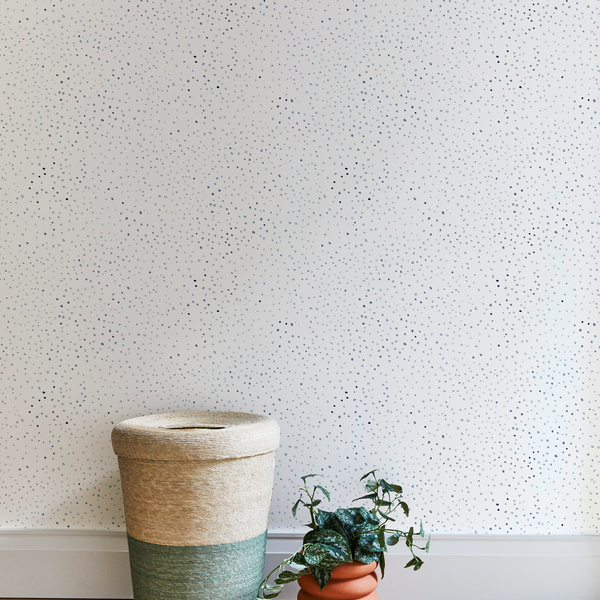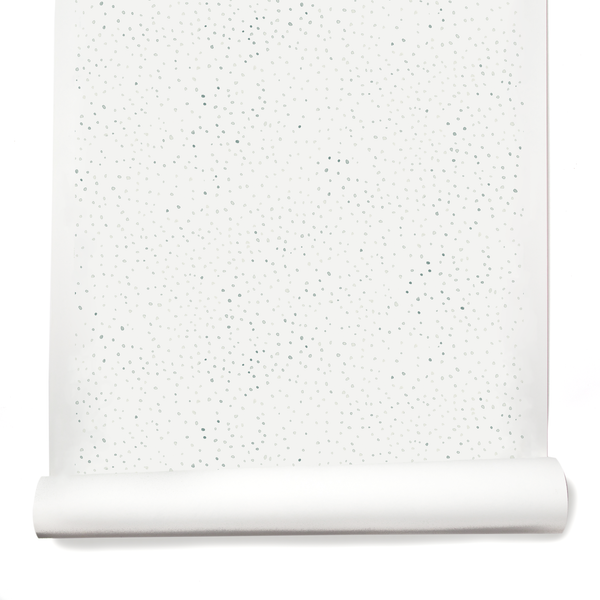
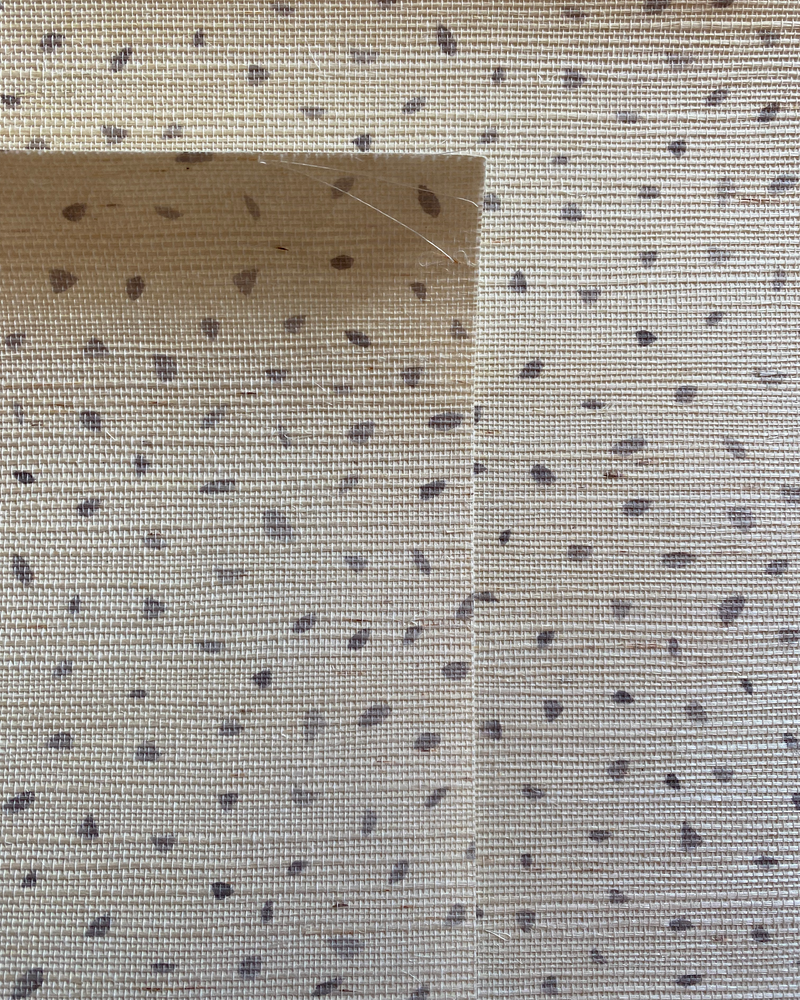
Printed Grasscloth

Wallpaper Installation
Printed Grasscloth

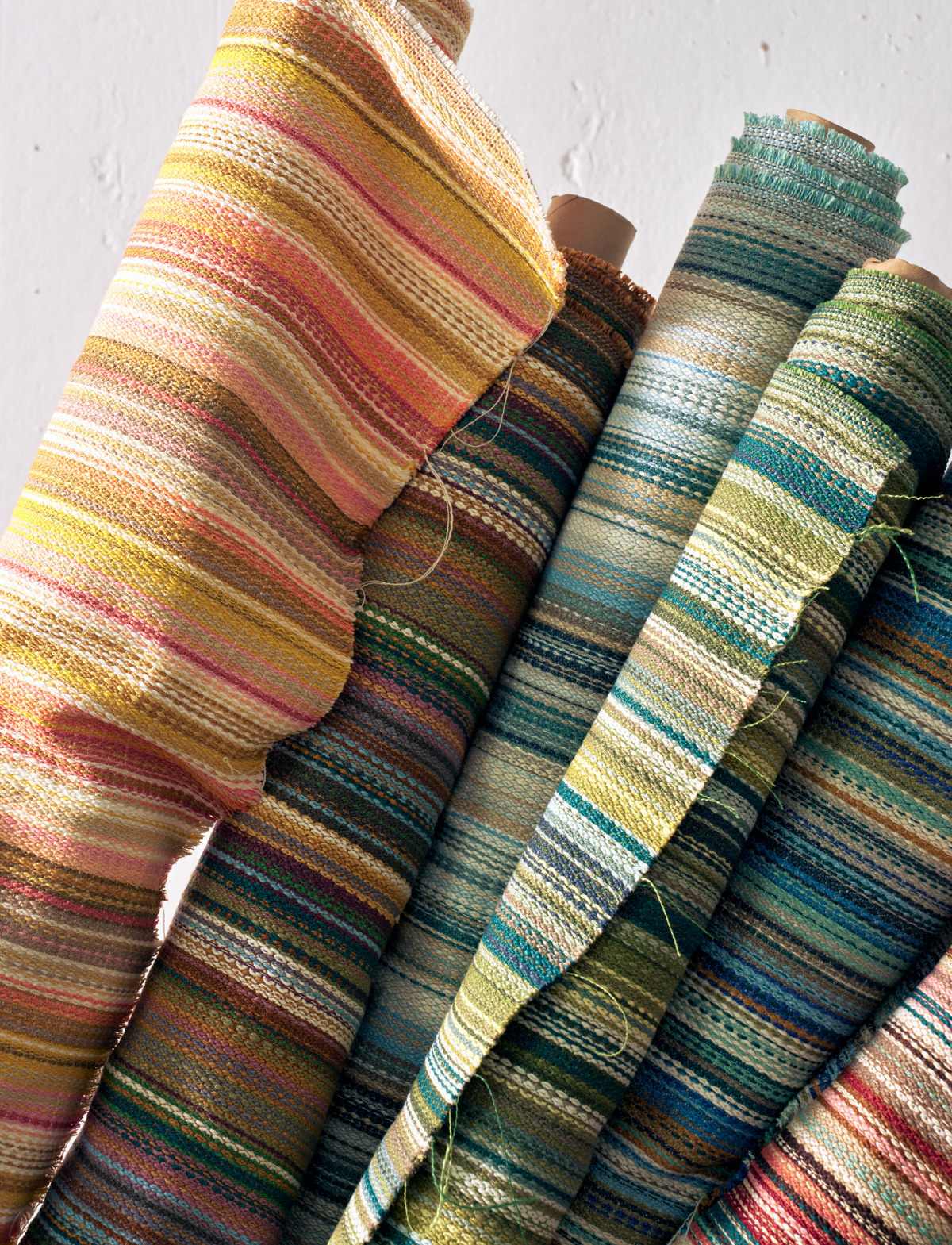
Grasscloth is a handmade product. It is woven with natural fibers that give the finished product a certain unevenness. Being handmade and hand stained, it is common that shades will vary from roll to roll and from end to end of a single roll. For these reasons you must take extra care in examining the rolls before you hang, and during the actual installation.
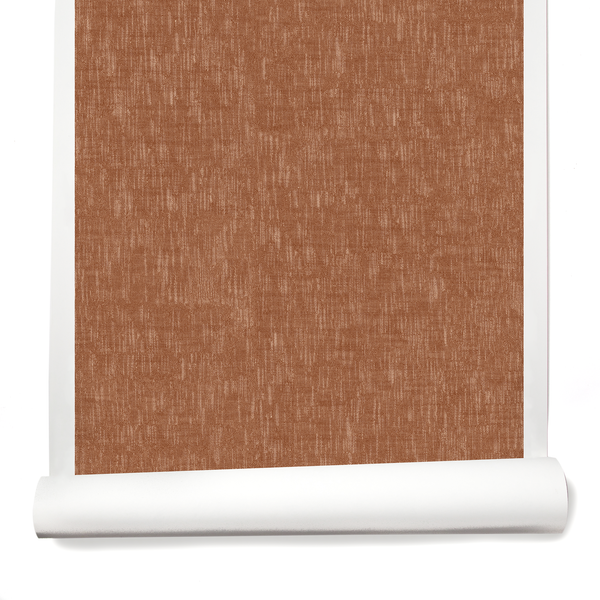
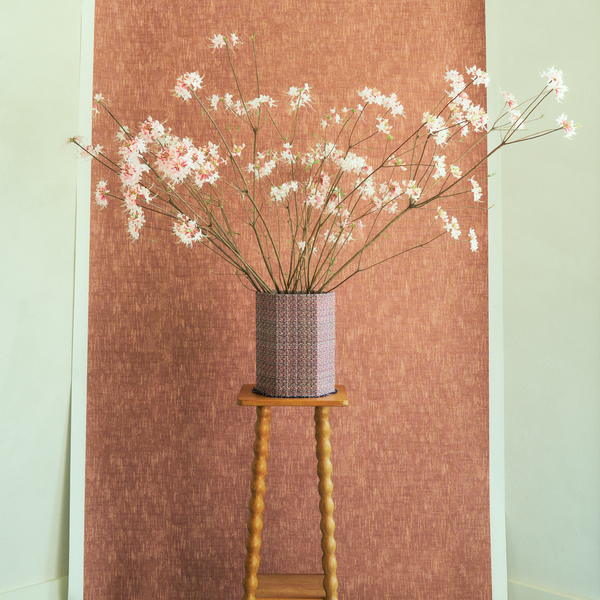
Preparation

+
–
Warning

Do not get adhesive or water on the wallcovering surface. Any paste or water on grasscloth material will discolor and cause staining to the product.

Preparation

Remove all old wallpaper and repair damaged areas. All walls must be
smooth, clean, and free of mildew and grease stains. If necessary, apply a
stain killing primer. Be sure newly plastered walls have been washed with a
zinc sulfate solution. New, unpainted surfaces should be sealed with an oil
based primer. Follow up with a high quality wallcovering primer sold in your local paint & wallpaper stores. Do not use glue size.

Pro Tip

We suggest that you cross-line the wall with lining paper and paste the wall with a good-quality premixed adhesive.

Installation

+
–
Trimming

Our paper comes pre-trimmed for butt-fit installation.
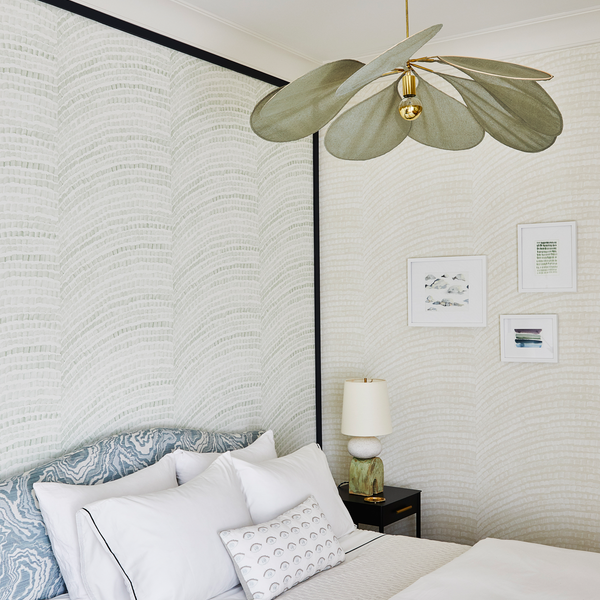
Alignment

Create a plumb line using either a laser or by drawing with a straight edge and level. Use only a lead pencil for marking walls and back of wallcovering. Do not use ballpoint or marking pen as they will bleed through the surface. This will be your guide for positioning the first panel. 

Adhesive

We recommend a premixed heavy clear adhesive.

Pasting

Dampen the back of the wallcovering with clean water using a sponge or water sprayer. Fold the paper ends to the center and allow it to soak for about 4 minutes for the paper to become supple. Do not over soak. Do not work more than one length at a time. Do not allow paste on to contact the surface of the grasscloth.

Hanging

Unfold the piece and bring to the wall to hang. Position the first panel along the plumb line. Carefully smooth all air pockets, wrinkles or excess paste from the center of the strip to the edges. Do not use seam roller as this can discolor the surface. Repeat the procedure with the second panel, sliding it into position with its edge butted up against the edge of the preceding panel. Be sure to match up the design. Do not overlap the wallcovering. Trim excess at floor and ceiling using a sharp utility knife.

Note

Hang three drops, stand back and make sure you are satisfied before continuing. If any defect is evident at this time, no additional material should be hung until we have been notified.

Alternate Procedure

Apply the adhesive to the wall surface. Using a damp sponge, moisten the back of the strip being careful not to over soak. Book and roll the strip, allow to sit for 3 min. Bring to the wall and hang as described above.
Notes

+
–
Best Practices

Always start and end in a corner, as dark and light strips joining in the corner will be far less noticeable. Do not wrap around a corner if the next strip is noticeably different; just trim into the corner and start again.

We recommend the you plan the grasscloth seam placement before your installation - for example, a drop should be hung central to a fireplace, so the seams are symmetrical.

Trim excess top and bottom with metal edge and sharp blade, changing the blade regularly.

Use the plumb line when hanging the first length and smooth the paper to the wall using a paperhanger's brush from the center of the length to the edge to expel air bubbles.

Care

Grasscloth wallcoverings should be cleaned by dusting with a clean dry brush or by brush accessory on a vacuum cleaner.